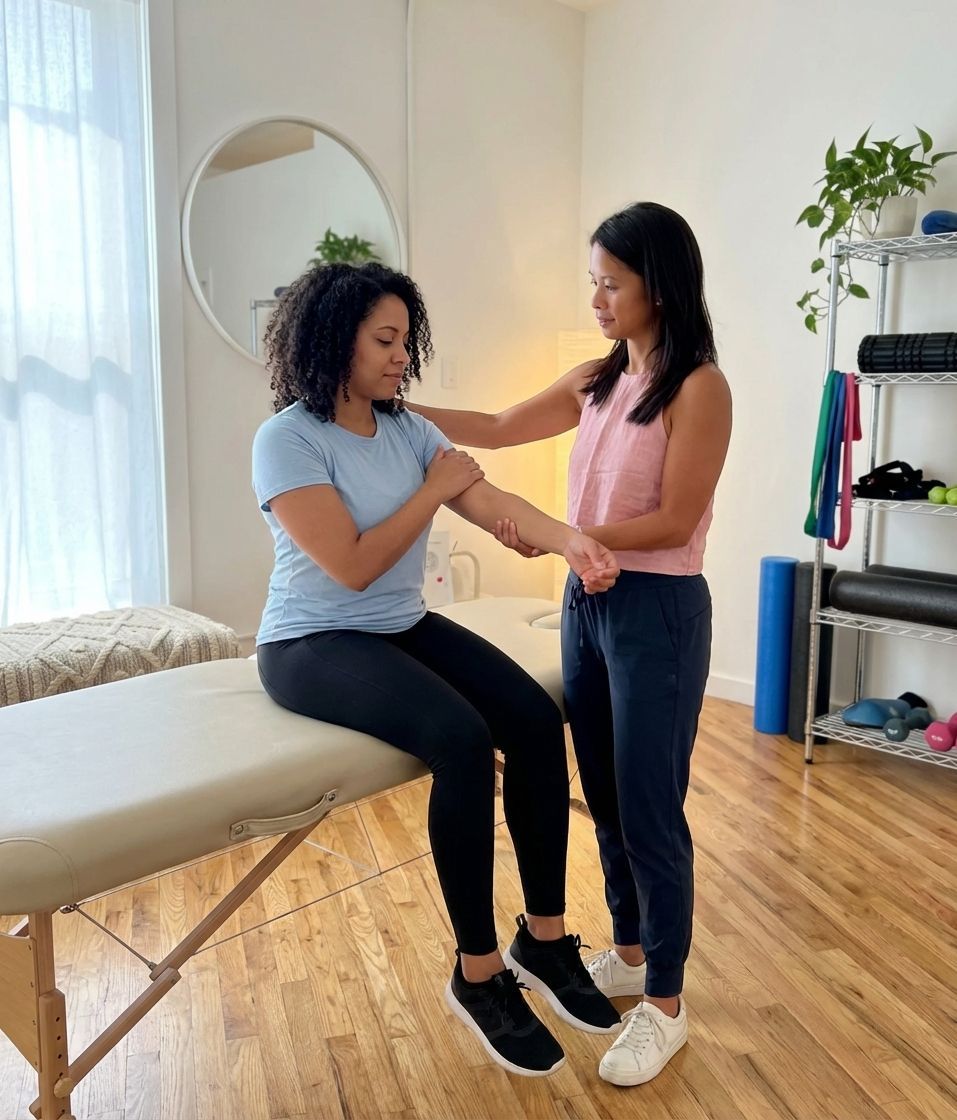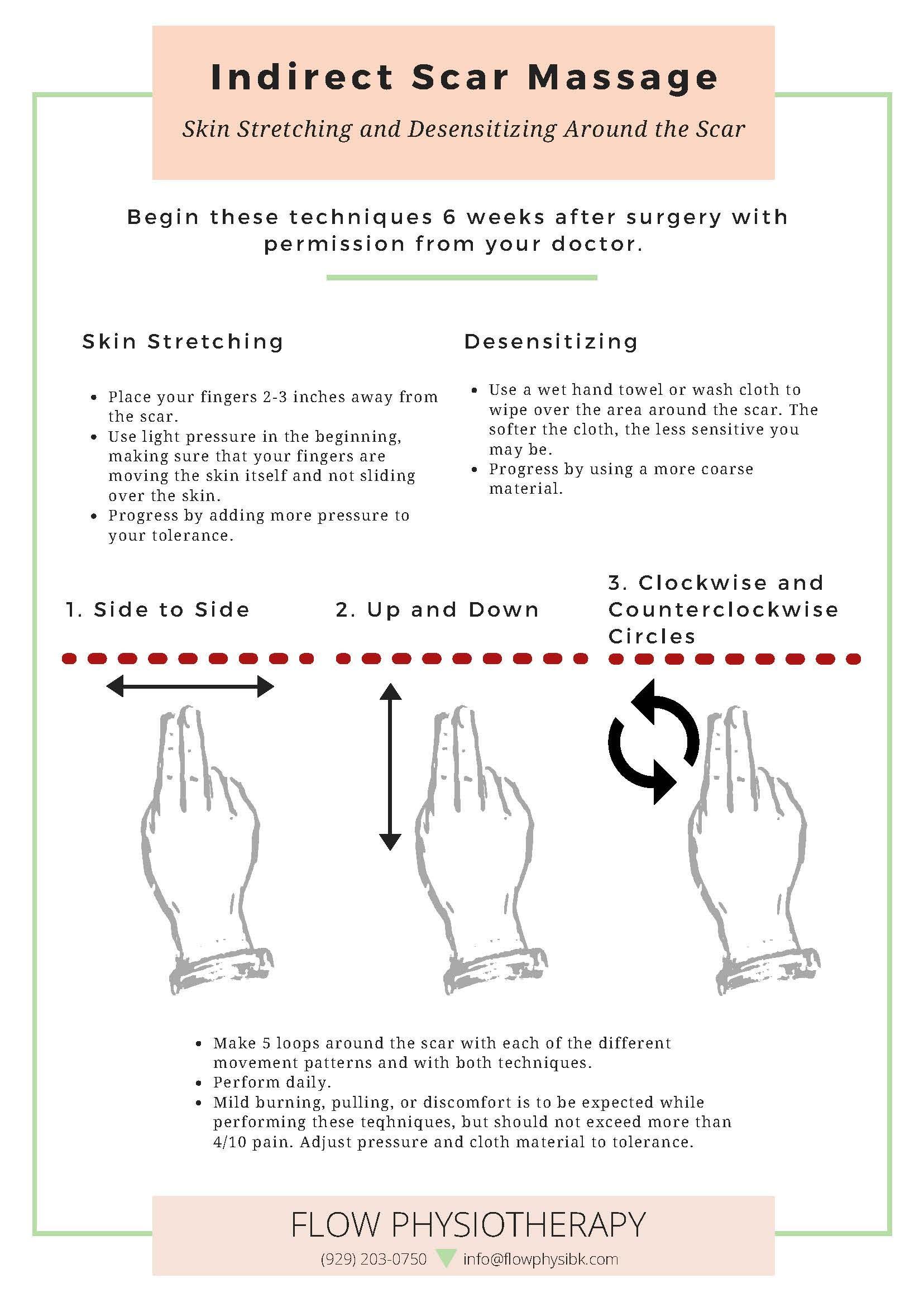
Pelvic Floor Physical Therapy in Brooklyn: A Complete Guide to Recovery and Wellness
Whether you are navigating pregnancy, recovering from childbirth, dealing with unexpected bladder leaks, or experiencing persistent pelvic pain, these challenges can profoundly affect your daily life, your confidence, and your overall sense of well-being.
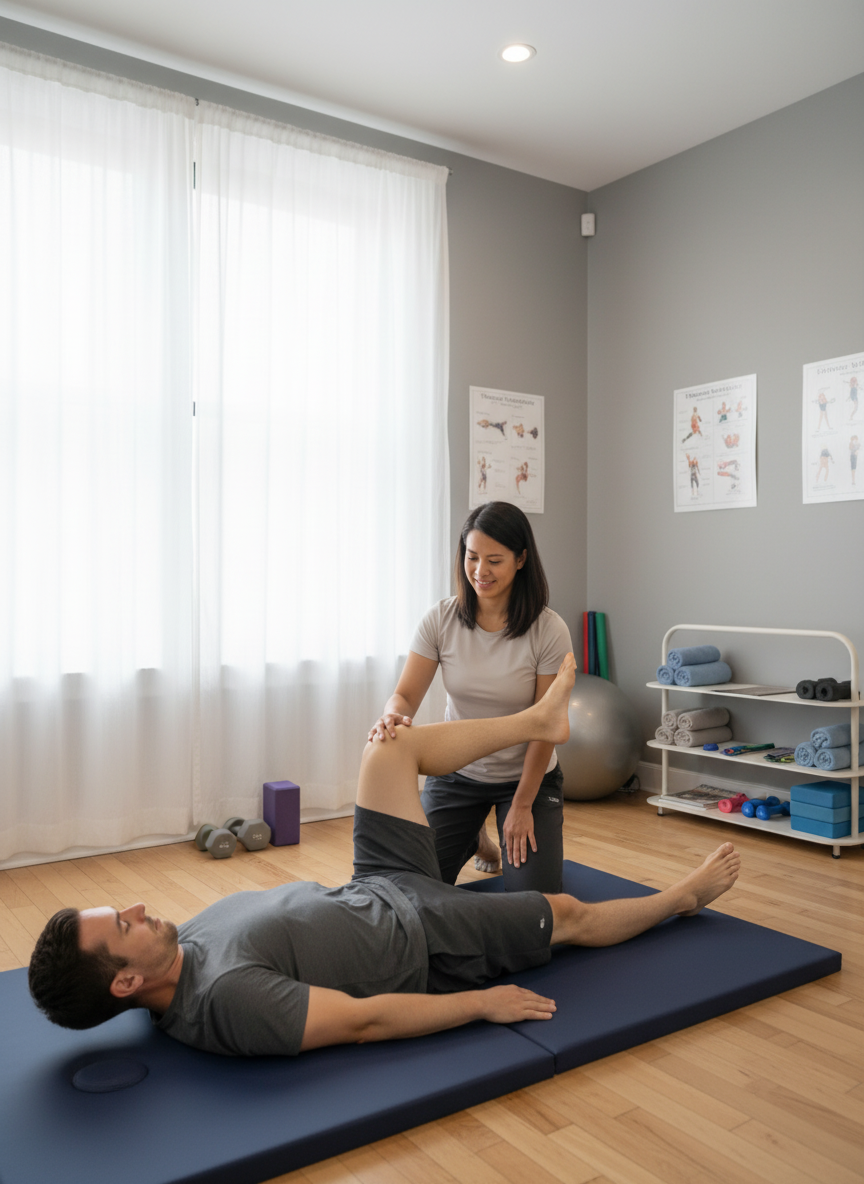

You deserve to feel comfortable in your own body. Whether you are navigating pregnancy, recovering from childbirth, dealing with unexpected bladder leaks, or experiencing persistent pelvic pain, these challenges can profoundly affect your daily life, your confidence, and your overall sense of well-being. If you have been searching for answers or wondering if what you are experiencing is normal, you are not alone. These struggles are more common than you might think, and most importantly, they are treatable.
Many people suffer in silence, believing that discomfort or dysfunction in the pelvic region is simply something they must endure. But that is far from the truth.Specialized pelvic floor physical therapy offers a path to relief, recovery, and renewed strength. Right here in Brooklyn, compassionate and evidence-based care is available to help you reclaim your wellness and move forward with confidence.
What Exactly Is Your Pelvic Floor?
Before diving into treatment, it helps to understand what your pelvic floor is and why it plays such a vital role in your health. Your pelvic floor is a complex network of muscles, ligaments, connective tissues, and nerves that form a supportive hammock at the base of your pelvis. These structures span from your pubic bone at the front to your tailbone at the back, and from side to side between your sitting bones.
The pelvic floor is responsible for several essential functions. It supports your pelvic organs, including the bladder, uterus or prostate, and rectum, keeping them properly positioned. It also plays a critical role in controlling bladder and bowel movements, allowing you to maintain continence and release waste appropriately.
Beyond that, the pelvic floor contributes tosexual health and pleasure, and it works closely with your deep core muscles to stabilize your spine and pelvis during movement. When your pelvic floor is functioning well, you likely do not give it a second thought. But when something goes wrong, whether due to pregnancy, childbirth, surgery, injury, chronic stress, or other factors, the impact can ripple through many aspects of your life.
Understanding Pelvic Floor Dysfunction: Signs and Symptoms
Pelvic floor dysfunction occurs when the muscles of the pelvic floor are too tight, too weak, uncoordinated, or injured. This can lead to a wide range of symptoms that vary in severity and can significantly affect your quality of life.
Common signs and symptoms include:
Urinary incontinence, including stress incontinence (leaking with coughing, sneezing, laughing, or exercise) and urge incontinence (a sudden, strong need to urinate)- Fecal incontinence or difficulty controlling gas
- Chronic pelvic pain or pressure
- Pain during sexual intercourse (dyspareunia)
- Pelvic organ prolapse, where organs descend or bulge into the vaginal canal
- Difficulty emptying the bladder or bowel, or a feeling of incomplete emptying
- Constipation or straining during bowel movements
- Painful periods or pain associated with endometriosis
- Lower back, hip, or tailbone pain related to pelvic floor tension or weakness
It is crucial to understand that these symptoms are not normal, and you do not have to accept them as an inevitable part of aging, childbirth, or being a woman. These issues can affect people of all genders and ages, and they deserve attention and treatment.
The Emotional and Social Impact
Beyond the physical discomfort, pelvic floor dysfunction can take an emotional and social toll. You may find yourself avoiding social activities, exercise, or intimacy due to fear of leakage or pain. You might feel embarrassed, isolated, or frustrated by your body's limitations. Recognizing these signs and understanding that help is available is an empowering step toward healing.
Who Can Benefit from Pelvic Floor Physical Therapy in Brooklyn?
Pelvic floor physical therapy is a versatile and effective treatment for a broad spectrum of conditions and life stages. You might be surprised by just how many people can benefit from this specialized care.
Pregnant Individuals
Pregnant individuals can work with a pelvic floor physical therapist to prepare their bodies for labor and delivery, learn optimal breathing and pushing techniques, and address any discomfort or dysfunction during pregnancy, such as pelvic girdle pain or stress incontinence.
Postpartum Recovery
Postpartum individuals are among the most common recipients of pelvic floor PT. Whether you had a vaginal delivery or a cesarean section, your pelvic floor and core have undergone significant changes. Physical therapy can support your recovery, address issues like diastasis recti (abdominal separation), help heal cesarean scars, treat incontinence, and restore strength and function so you can care for your baby and return to the activities you love.
Incontinence Management
Individuals experiencing urinary or fecal incontinence at any stage of life can find relief through targeted pelvic floor therapy. Whether your symptoms began after childbirth, surgery, or have developed gradually over time, treatment can help you regain control.
Chronic Pelvic Pain
If you are living with chronic pelvic pain, conditions such as vulvodynia, vaginismus, painful bladder syndrome, or endometriosis, pelvic floor physical therapy offers a non-invasive, compassionate approach to managing and reducing pain.
Pelvic Organ Prolapse
Those diagnosed with pelvic organ prolapse can benefit from strengthening and supportive exercises to manage symptoms, improve function, and potentially avoid or delay surgical intervention.
Orthopedic and Sports Injuries
Individuals with orthopedic or sports-related injuries affecting the hips, lower back, or core often have underlying pelvic floor involvement. Addressing the pelvic floor as part of a comprehensive treatment plan can enhance recovery and performance.
Gender-Affirming Care
Additionally, people seeking gender-affirming care may benefit from pelvic floor physical therapy to support their unique health needs in a safe, affirming, and compassionate environment.
If any of these situations resonate with you, know that
pelvic floor PT is a proven, effective option. You do not need to suffer in silence or feel uncertain about where to turn.
Beyond Kegels: What Does Pelvic Floor Physical Therapy Involve?
When many people think of pelvic floor exercises, they think of Kegels. While Kegel exercises can be helpful for some individuals, they are far from the only tool in a pelvic floor physical therapist's toolkit. In fact, Kegels are not appropriate for everyone, particularly if your pelvic floor muscles are too tight or if you are not performing them correctly.
Pelvic floor physical therapy is a comprehensive, personalized approach to assessment and treatment. At
Flow Physiotherapy, your care begins with a thorough initial evaluation. Your therapist will take the time to listen to your concerns, understand your medical history, discuss your symptoms, and learn about your goals.
Comprehensive Assessment
This conversation is followed by a detailed physical assessment, which may include both external and internal examinations to evaluate the strength, tone, coordination, and function of your pelvic floor muscles, as well as related structures such as your hips, lower back, and core.
Personalized Treatment Approaches
Based on this assessment, your therapist will develop a personalized treatment plan tailored to your specific needs. Treatment may include a variety of evidence-based interventions:
Manual therapy techniques such as soft tissue massage, myofascial release, and trigger point therapy to release tension, reduce pain, and improve tissue mobility- Biofeedback to help you visualize and understand how your pelvic floor muscles are working, improving your awareness and control
- Therapeutic exercises designed to strengthen weak muscles, relax tight muscles, improve coordination, and restore functional movement patterns
- Postural and body mechanics training to reduce stress on the pelvic floor and support optimal alignment during daily activities
- Breathing techniques to engage the diaphragm and pelvic floor in a coordinated way, enhancing core stability and reducing tension
- Education and self-management strategies to empower you with the knowledge and tools you need for long-term success
What sets Flow Physiotherapy apart is the commitment to treating the whole person, not just isolated symptoms. The clinic integrates current
orthopedic techniques and exercise science into pelvic floor care, ensuring that your treatment is comprehensive, functional, and rooted in the latest evidence.
Why Flow Physiotherapy Stands Out for Pelvic Floor PT in Brooklyn
Choosing the right provider for your pelvic floor care is an important decision. You deserve a clinic that not only has the expertise and training to address your concerns but also provides a welcoming, supportive, and empowering environment.
Specialized Expertise
Flow Physiotherapy is a leader in pelvic floor physical therapy in Brooklyn, specializing in the treatment of pelvic floor dysfunction across all stages of life. The clinic's therapists bring advanced orthopedic training to their practice, allowing them to address complex, multi-faceted conditions with precision and skill.
Perinatal and Postpartum Excellence
One of the clinic's core areas of expertise is perinatal and postpartum physical therapy. Whether you are preparing for childbirth, recovering in the weeks and months after delivery, or addressing issues that have persisted for years, Flow Physiotherapy offers compassionate, evidence-based care designed to support your body through this transformative time.
Whole-Person Treatment Philosophy
What truly distinguishes Flow Physiotherapy is the philosophy of treating the whole person. Your body is not a collection of disconnected parts; it is an integrated system. Your pelvic floor does not function in isolation. It works in concert with your core, your hips, your breathing patterns, and your overall movement.
The therapists at Flow Physiotherapy understand these connections and design treatment plans that address the root causes of your symptoms, not just the surface-level complaints.
Empowerment-Focused Care
Empowerment is at the heart of every treatment session. You are not a passive recipient of care; you are an active participant in your own healing. Through education, guided exercises, and supportive coaching, you will gain the knowledge and confidence to manage your symptoms and maintain your progress long after your treatment ends.
Inclusive and Affirming Environment
Flow Physiotherapy is also proud to be a safe space for gender-affirming care, welcoming individuals of all gender identities with respect, compassion, and specialized support.
Evidence-Based Practice
Every intervention is grounded in evidence-based practice, incorporating the latest research in orthopedic techniques, exercise science, and pelvic health. You can trust that your care is informed by science, delivered with skill, and tailored to your unique needs.
Your Journey to Recovery: What to Expect During Your Visits
Your First Visit: Comprehensive Assessment and Goal Setting
Your first visit to Flow Physiotherapy is designed to be thorough, comfortable, and collaborative. This session typically lasts longer than subsequent visits to allow ample time for your therapist to get to know you and your body.
You will begin by discussing your symptoms, medical history, lifestyle, and goals in detail. Your therapist will ask thoughtful questions to gain a complete picture of your health and understand what matters most to you. This conversation is judgment-free and confidential, and you are encouraged to share openly.
Next, your therapist will conduct acomprehensive physical assessment. This may include evaluating your posture, movement patterns, breathing mechanics, and the strength and flexibility of your core, hips, and lower back. If appropriate and with your informed consent, an internal pelvic floor examination may be performed to assess muscle tone, strength, coordination, and any areas of tension or tenderness.
Together, you and your therapist will set realistic, personalized goals for your treatment. Whether your aim is to return to running, enjoy pain-free intimacy, stop leaking when you laugh, or simply feel more comfortable in your body, your goals will guide every step of your care plan.
Ongoing Treatment: Personalized Care and Progression
Your ongoing treatment sessions at Flow Physiotherapy are one-on-one, focused, and tailored to your evolving needs. Each visit builds on the progress you have made, incorporating hands-on manual therapy, targeted exercises, and continuous education.
Your therapist will guide you through exercises designed to address your specific impairments, whether that means strengthening weak muscles, releasing tight tissues, improving coordination, or retraining movement patterns. You will also receive a
home exercise program to support your progress between sessions.
As you improve, your treatment will progress from foundational healing and symptom management to strengthening, functional integration, and return to the activities that matter to you. Your therapist will check in regularly, adjust your plan as needed, and celebrate your milestones along the way.
Common Questions About Pelvic Floor PT Answered
If you are considering pelvic floor physical therapy for the first time, you likely have questions. Here are answers to some of the most common concerns:
Is pelvic floor PT painful?
No. Your comfort is a top priority. While some techniques may involve addressing areas of tension or tenderness, your therapist will work within your comfort level, communicate clearly throughout the session, and adjust as needed. You are always in control.
Do I need a referral?
In New York, you can access physical therapy through direct access, meaning you do not necessarily need a physician's referral to begin treatment. However, if you plan to use insurance, it is a good idea to check with your provider about referral requirements.
How many sessions will I need?
The number of sessions varies based on your condition, goals, and response to treatment. Some individuals see significant improvement in a few visits, while others benefit from a longer course of care. Your therapist will discuss a personalized plan with you during your initial evaluation.
What should I wear?
Wear comfortable, loose-fitting clothing that allows you to move freely. You may be asked to change into shorts or a gown for certain parts of the assessment or treatment.
Can I bring my baby?
Yes. Flow Physiotherapy understands the realities of new parenthood and welcomes you to bring your baby to your appointments.
Taking the First Step: Reclaiming Your Wellness with Flow Physiotherapy
You have spent enough time wondering if your symptoms will improve, searching for answers, or feeling limited by your body. The truth is, you do not have to live this way. Recovery is possible, relief is within reach, and you deserve to feel strong, confident, and fully yourself again.
Pelvic floor physical therapy can transform your quality of life. It can help you move without pain, laugh without worry, engage in intimacy with confidence, and return to the activities and experiences that bring you joy. Whether you are navigating pregnancy, recovering postpartum, managing chronic pelvic pain, or addressing any other pelvic floor concern, the right care can make all the difference.
Flow Physiotherapy is here to be your partner in this journey. With specialized expertise, a whole-person approach, and a deep commitment to compassionate, empowering care, theteam is ready to support you every step of the way.
Your Path to Lasting Relief Starts Here
You have taken the time to learn about your pelvic floor, recognize your symptoms, and understand that effective treatment is available. Now it is time to take the next step.
Do not wait any longer to invest in your health and well-being. Reach out to Flow Physiotherapy today to schedule your initial consultation. Whether you call the clinic or visit their website, you will be greeted with warmth, respect, and a genuine desire to help you feel better.
Your body is capable of healing. Your symptoms do not define you. And with the right support, you can reclaim your wellness, your confidence, and your life. Flow Physiotherapy is proud to serve the Brooklyn community with expert, evidence-based, and compassionatepelvic floor physical therapy. Your path to lasting relief starts here.