What Happens in a Physical Therapy Evaluation at Flow Physiotherapy in Brooklyn, NY?
Learn what to expect during a pelvic floor physical therapy evaluation in Brooklyn, NY. Expert, empathetic care for women at Flow Physiotherapy in Dumbo.

Taking the first step toward addressing discomfort, recovering from childbirth, or proactively strengthening your body is a meaningful decision. For many people, walking into a new clinic can feel uncertain or overwhelming.
At Flow Physiotherapy in Brooklyn, NY, the goal is not simply to treat symptoms but to equip you with knowledge and a personalized path forward.
Whether you are seeking help for pelvic pain, incontinence, postpartum recovery, or a return to running, your first visit lays the foundation for everything that follows. Here is a clear look at what you can expect during a physical therapy evaluation at Flow Physiotherapy.
Meeting Your Physical Therapist
Your evaluation begins with a genuine conversation. Before any physical assessment takes place, your therapist will take time to introduce themselves, walk you through the structure of the appointment, and answer any questions you have.
Flow Physiotherapy is built around one-on-one, patient-centered care. You will work directly with your therapist throughout the session, not a rotating staff of aides or assistants. This approach ensures continuity and allows your provider to develop a thorough understanding of your needs from the very first visit.
Understanding Your History and Goals
The most important part of any evaluation is your story. Your therapist will lead a thorough, confidential discussion covering your medical history, current symptoms, lifestyle, and personal goals.
This is not a checklist conversation. Your therapist wants to understand what you want to get back to doing, whether that is lifting without low back pain, running again after an injury, or simply moving through daily life with more comfort and confidence.
For patients seeking pelvic health physical therapy, this conversation may also explore pregnancy history, delivery details, and how symptoms such as pelvic pressure, bladder urgency, or abdominal separation are affecting everyday activities.
Understanding the full picture allows your therapist to build a plan that is genuinely tailored to your life.
The External Physical Assessment
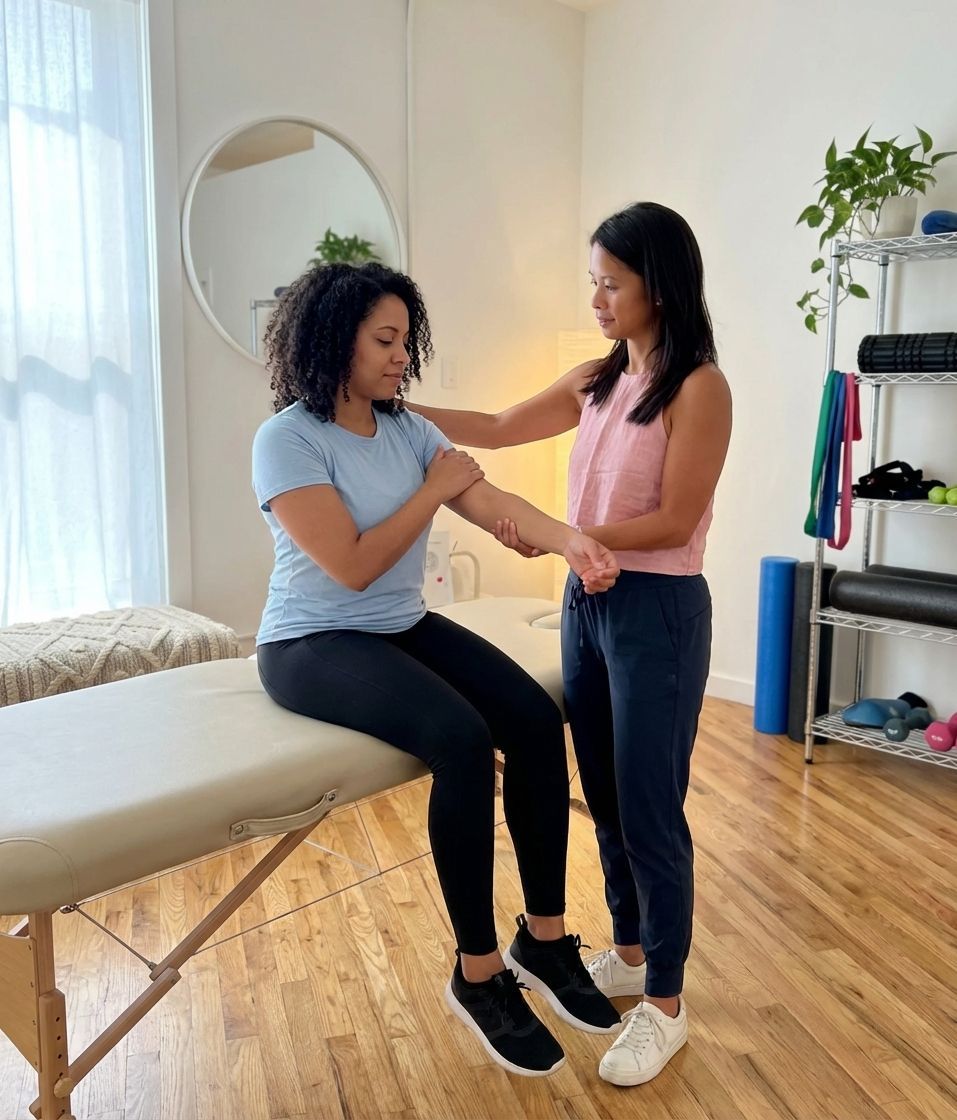
Following your intake conversation, your therapist will conduct a comprehensive external assessment. Because Flow Physiotherapy offers both orthopedic physical therapy and pelvic health physical therapy, the evaluation considers how your entire body functions together, not just the area where symptoms appear.
This assessment may include:
Postural analysis to observe how you carry and distribute your weight
A Functional Movement Assessment to evaluate how your spine and joints coordinate during activity
Strength and flexibility screening to identify imbalances or compensations in the core, hips, and back
Diastasis recti screening to assess abdominal muscle separation and connective tissue integrity for postpartum patients
This thorough approach ensures that contributing factors are identified, not just the site of pain.
Pelvic Health Assessment
For patients experiencing pelvic floor dysfunction, an internal pelvic assessment can provide the most accurate and clinically useful information. It is important to understand that this portion of the evaluation is always optional and is only performed with your explicit, ongoing consent.
Your therapist will clearly explain what an internal assessment involves and why it may be relevant to your specific concerns, such as painful intercourse, prolapse, or incontinence. If you choose to proceed, the assessment is conducted with a gentle, specialized approach using pelvic floor internal techniques.
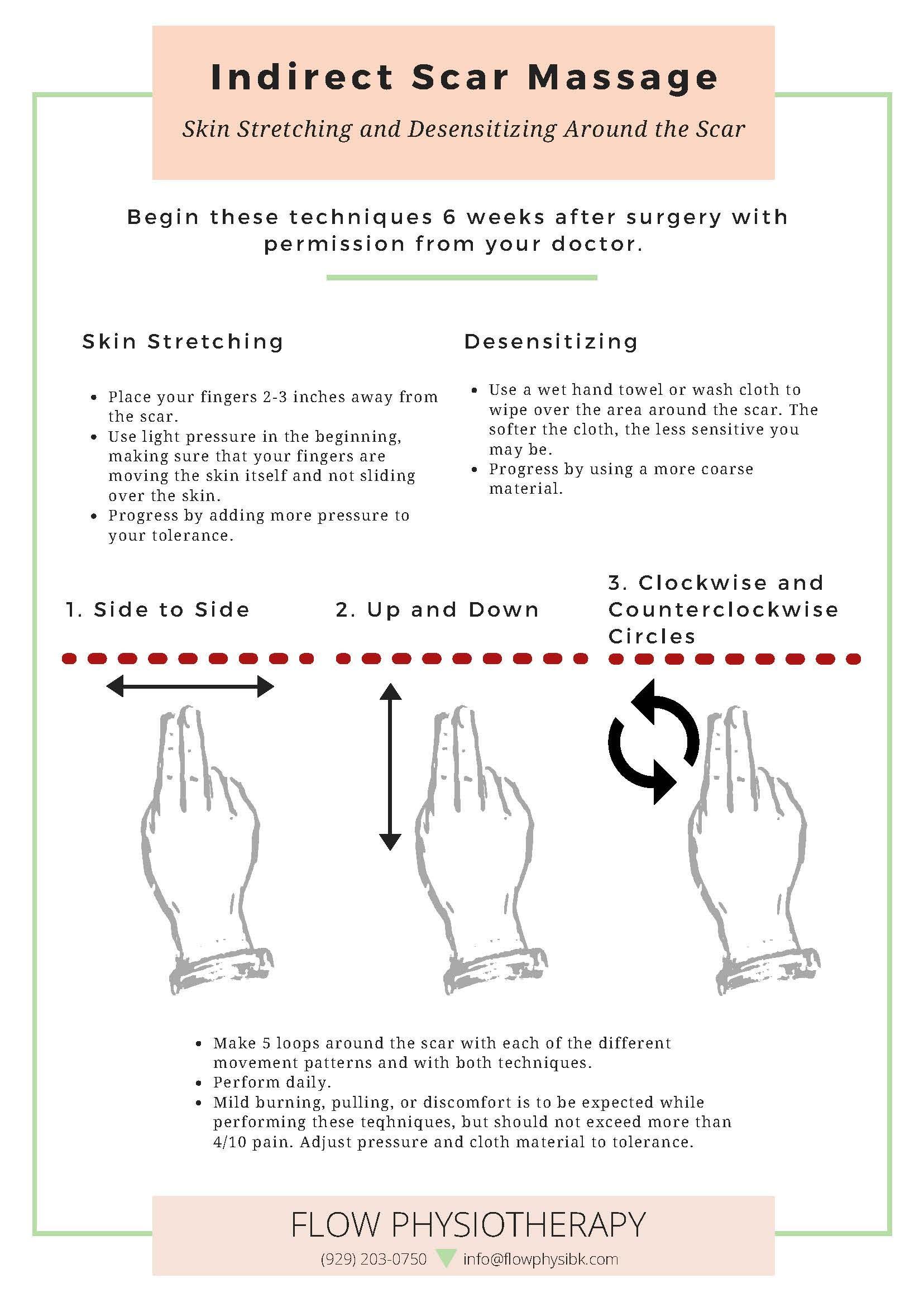
Externally, your therapist may evaluate scar tissue mobility from a C-section or episiotomy. Internally, the assessment examines the strength, coordination, and tension of the pelvic floor muscles, specifically whether they can contract, relax, and respond appropriately. This distinction matters because pelvic floor treatment is not one-size-fits-all. Muscles that are too tight require a very different approach than muscles that lack strength or coordination.
Your Personalized Treatment Plan
Once the assessment is complete, your therapist will explain their findings in plain, accessible language. Understanding what is happening in your body and why is a core part of the care experience at Flow Physiotherapy.
From there, you and your therapist will establish realistic, meaningful goals together. Your treatment plan is built around those goals and may draw from a range of services and modalities, including:
- Manual therapy, such as myofascial release, soft tissue mobilization, or joint mobilization
- Therapeutic exercise to build targeted strength and stability
- Breathwork and diaphragmatic training to support pelvic floor coordination
- Neuromuscular re-education to restore proper movement patterns
- Pilates-based rehabilitation to improve core control and functional movement
- Taping or cupping where appropriate
- Home exercise strategies to support your progress between sessions
For patients with specific performance or recovery goals, such as return to sport, return to running, or injury prevention, the plan may also incorporate tools like a Running Gait Analysis or Return-to-Sport Testing.
What to Expect After Your Evaluation
Leaving your first appointment at Flow Physiotherapy, you should have a clear understanding of your body, a defined set of goals, and a concrete plan for moving forward. You will not leave with vague advice or a generic handout. You will leave with direction.
Pelvic floor physical therapy in Brooklyn, NY at Flow Physiotherapy is designed to address the root cause of dysfunction, not just manage symptoms. Whether you are in a prenatal stage, navigating postpartum recovery, managing a musculoskeletal injury, or working toward a performance goal, the evaluation process is the starting point for individualized, evidence-informed care.
If you are ready to take that first step, Flow Physiotherapy is here to support you. Contact the team today to schedule your comprehensive physical therapy evaluation in Brooklyn, NY.